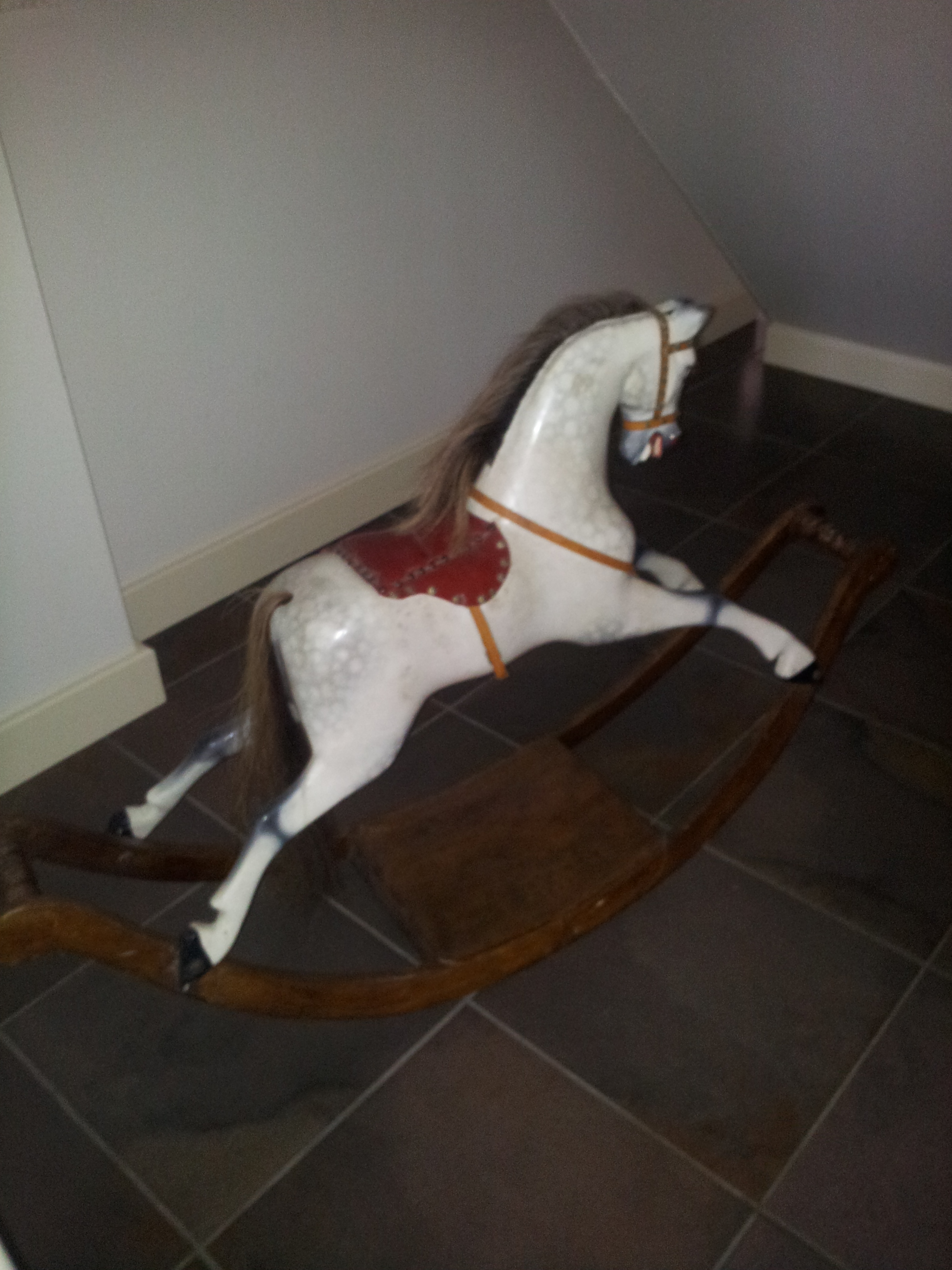
It is, I think, the eve of Chinese New Year – the next year is the year of the horse. So a little celebration with a picture again of Rosemary’s beloved Troubadour, now at home here in Leicestershire countryside and perhaps preparing to ride the fields on Midsummer Eve? Why? The answer perhaps is to be found in Rosemary’s lovely little story The Roundabout Horse, also pictured. And she was, according to academic Margaret Meek, writing in Books for Keeps.
Category: Novels, Stories & Books
Rosemary Sutcliff was an internationally renowned writer of historical novels, for children, young adults and adults. She also wrote stories for children. This category compiles the posts on this blog by title.
The likes of Rosemary Sutcliff I have never found anywhere else | Thoughts on reading The Flowers of Adonis
From Rosemary Sutcliff fan Anjy Roemelt (posted at the Facebook page for Rosemary Sutcliff): I started reading Rosemary Sutcliff’s The Flowers of Adonis today and within three pages it had me caught by the neck and submerged into the old Sutcliff magic. I have so often already thought ‘this is her best book, this will be […]
Sword in the Circle, Arthurian book by Rosemary Sutcliff, “pretty much formed” the character of A Book Worm blogger
The author of the blog A Book Worm, has posted at the You Write tab on this blog:
My first Sutcliff book was The Sword in the Circle, which I was given while on holiday in Tintagel back in 1985. I was four and it was my first ‘grown-up’ book. I loved it then and love it still. For a decade or so I reread it and the other books that make up the Arthur trilogy, every couple of months.
I loved all of the Sutcliff books I came across but it was this one that pretty much formed much of my character. I still re-read the book from time to time, and it still has the same impact on me now as it did back when I was younger. I will be forever grateful to Rosemary Sutcliff for writing such amazing books. In fact there is a special thank you to here on my blog.
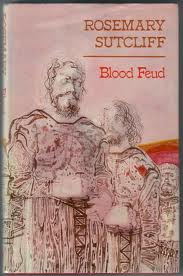
Now might have to just dig out my copy of Blood Feud, haven’t read that one in a while……
Rosemary Sutcliff was a miniaturist painter and reviewer wrote: “The Chief’s Daughter is a miniature in prose” | The Times, 1967
Rosemary Sutcliff was a miniaturist before she became an author and The Chief’s Daughter is a miniature in prose, a very short story in which the lines are neat, bold and clear, the characters lightly brushed in but arresting. Set in ancient Wales it tells how a chieftain’s daughter frees an Irish slave boy destined for sacrifice and how he in his turn unwittingly in his turn saves her from dying in his place. The story was originally in a volume of tribute by many children’s authors to the memory of Eleanor Farjeon; now, as a fully illustrated book in a series designed
for seven year olds, The Chief’s Daughter will
deservedly reach a far larger number of young readers.
Source: The fantastic living force of landscape by Elaine Moss; The Times, December 2, 1967, p 23.
Rosemary Sutcliff’s Chess Dream In A Garden | Covered in Once Upon A Bookshelf about ‘vintage kids books’.
I LOVE books. I love gardens too, especially mysterious old gardens with twisty turning paths and strange statuary and secret grottoes of flowers. I love history and old things, especially the sort of old things one finds in the poky corners of antique shops and in dusty old attics. And I love things that smack of magic, be it fairy tale transformations or quirky oddness a la Wonderland. When I find a book that combines all of those things in one place, well, let’s just say I am one happy, happy bookworm.
Chess Dream In A Garden is just that sort of book. For starters, it was written by Rosemary Sutcliff, which rocketed it to the top of my TBR list by that virtue alone. She is That Sort of Writer. If you aren’t acquainted with her work already, I highly recommend it. She wrote historical fiction, mostly focusing on Roman era Britain, and her ability to bring the past to life is uncanny. Her books are not always easy reads (they use challenging vocabulary and poetic imagery), but they are the sort that engulf and engross the reader and cause you to lose yourself in a world of the author’s making. Despite their antiquitous subject matter, she injects them with deeper, timeless themes of the universal human struggles of personality and power that make them relevant and relatable to modern readers. Although most of them are classified as kid lit, they are equally enjoyable to adults.