Rosemary Sutcliff | Made the story-teller she was by the stories told to her as a child?

Michael Rosen (writer, poet, performer, broadcaster and Professor of Children’s Literature) recently said about children’s literature: Most adult readers were made into the readers they are by the ‘repertoire’ of reading they did as children. The link, then, between children’s literature and adult literature is not so much via the writers as through the reading habits […]

12 orphan-heroes and heroines in Rosemary Sutcliff’s historical novels

Many of historical novelist and children’s writer Rosemary Sutcliff’s books (of children’s literature) feature orphans—a thought prompted by Katherine Rundell’s choice of ’10 of the best orphans’ in children’s books, which did not include any of Rosemary Sutcliff’s characters. Indeed Anne, a regular reader and commenter here, wonders if the issue might not be which of Sutcliff’s heroes are not orphans; she recalls that the hero as orphan who makes their way in the world is  both a traditional fairy tale and a mythic trope. Thirteen orphans in Rosemary Sutcliff’s writing are:

Artos in Sword at Sunset (first published in 1963)
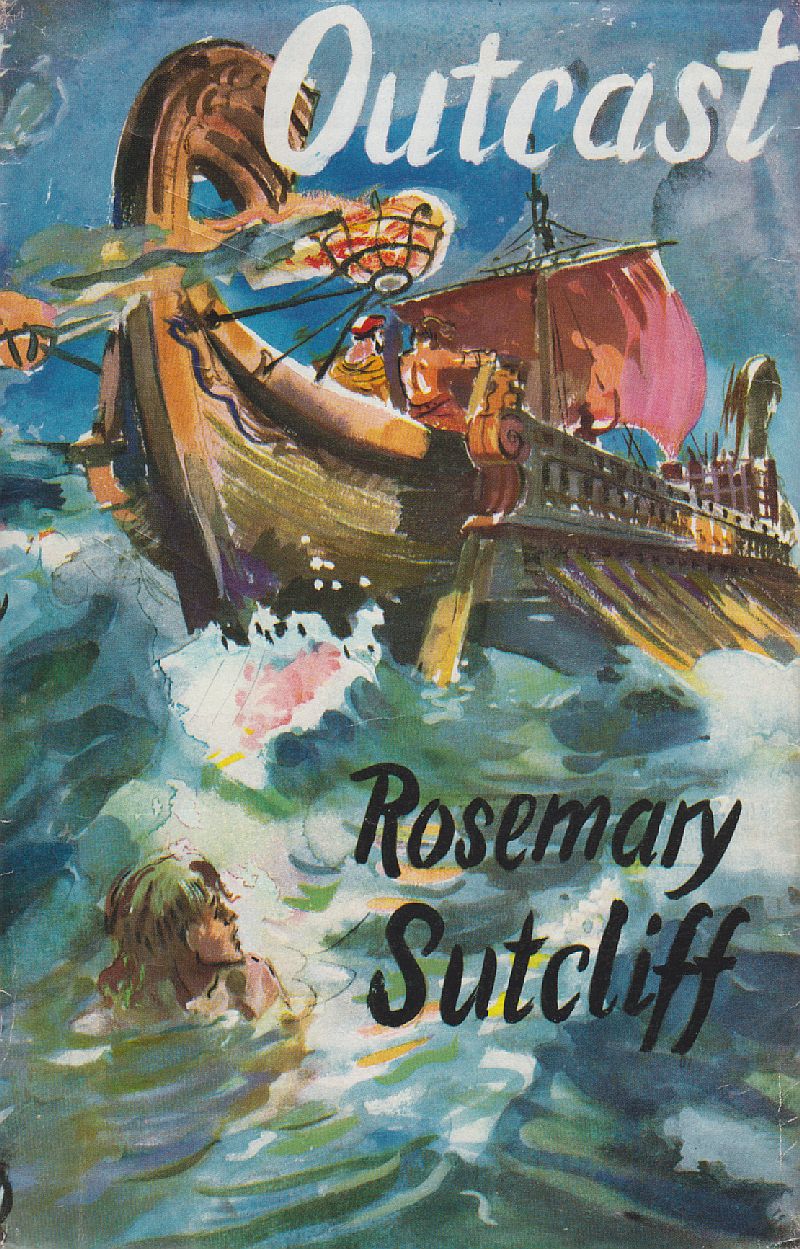
Beric in Outcast (1955)
Frytha and Bjorn in The Shield Ring (1956)
Hugh Herriot in Bonnie Dundee (1983)
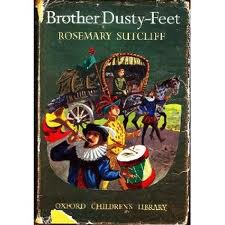
Hugh Copplestone in Brother Dusty-Feet (1952)
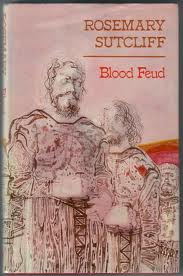
Jestyn in Blood Feud (1976)
Lovell in The Witch’s Brat (1970)
Owain in Dawn Wind (1961)
Randall, the dog-boy, in Knight’s Fee (1960)
Red Phaedrus in The Mark of the Horse Lord (1965)
Tamsyn in The Armourer’s House (1951)

Artos (King  Arthur) is  the bastard son of a long-dead Uther, raised by his uncle. Read More »
Rosemary Sutcliff’s orphans Beric, Jestyn, Randall, Hugh not for Katherine Rundell’s top 10 orphans in children’s books

  Rosemary Sutcliff historical and children’s book and novel Blood Feud coverOutcast by Rosemary Sutcliff hardback coverKnight's Fee IllustrationBrother Dusty Feet historical fiction by Rosemary Sutcliff original UK cover

Sadly (and perhaps remissly) Katherine Rundell – winner of the Blue Peter book award 2014 for best story – did not include any of Rosemary Sutcliff’s characters in her recent ’10 of the best orphans’ at The Guardian’s children’s books site. She might have chosen Beric in Outcast, Jestyn in Blood Feud, Randall the dog-boy in Knight’s Fee, Hugh Copplestone in Brother Dusty-Feet. (And what are the  others I have forgotten?).

She chose:

  1. Mowgli, The Jungle Book by Rudyard Kipling
  2. Cinderella
  3. Cat Chant, Charmed Life by Diana Wynne Jones
  4. Anne, Anne of Green Gables by L M Montgomery
  5.  Alex Rider, Stormbreaker by Anthony Horowitz
  6. Harry, Harry Potter by JK Rowling
  7.  Lyra, His Dark Materials trilogy by Philip Pullman
  8. Sophie, The BFG by Roald Dahl
  9. Peter, Peter Pan by J M Barrie
  10. The Fossil Sisters, Ballet Shoes by Noel Streatfield

Source: Katherine Rundell’s Top 10 Orphans

The Eagle (of the Ninth) | A celts-and-centurions film?

Tahar Rahim as a prince of The Seal People in The Eagle film 2011

There is a  brief mention of The Eagle film from Rosemary Sutcliff’s The Eagle of the Ninth in an article by Jonathan Romney about actor Tahar Rahim who played The Seal Prince.

Strangest of all was the Celts-and-Centurions swashbuckler The Eagle, for British director Kevin Macdonald. Rahim played the Seal Prince—shaven-headed, covered from head to foot in loam, and speaking ancient Gaelic.

Prompted by Feona Beoney  on Twitter, I am much taken with the new label ‘celts-and-centurion swashbuckler’, especially the celts-and-centurion phrase (although ‘swashbuckler’ is perhaps not right, since it reeks of pirates and the sea!). Better than sword(s) and sandal.

The Eagle:  Poster of the film of Rosemary Sutcliff's The Eagle of the Ninth

Source: Tahar Rahim: ‘I’ve always refused to play terrorists’ | The Observer.