For award-winning, internationally-acclaimed author Rosemary Sutcliff (1920-92). By Anthony Lawton: godson, cousin & literary executor. Rosemary Sutcliff wrote historical fiction, children's literature and books, films, TV & radio, including The Eagle of the Ninth, Sword at Sunset, Song for a Dark Queen, The Mark of the Horse Lord, The Silver Branch, The Lantern Bearers, Dawn Wind, Blue Remembered Hills.
An early unpublished book was called Wild Sunrise. It was about the Roman invasion of Britain told from the British viewpoint. The hero was Cradoc, a name Rosemary used later in The Eagle of the Ninth and in Sun Horse, Moon Horse. (Her father, who I knew as Uncle George, had a naval hero called Admiral Sir Christopher Cradock, who went down with his flagship at the battle of Coronel in 1914). Wild Sunrise disappeared, which was as well, she said in her memoir Blue Remembered Hills (1983), ‘because so much of me was in it, naked and defenceless’
Source: Oxford Dictionary of National Biography. Article on Rosemary by Gilian Avery
The website historicalnovels.infolists ‘over 5,000 historical novels by time and place’. There are interesting articles about books related to particular periods in history as well as items on various authors including one on Rosemary Sutcliff by ‘Annis’. (Links in the posting connect to entries about Rosemary’s books on an American bookseller’s site.)Read More »
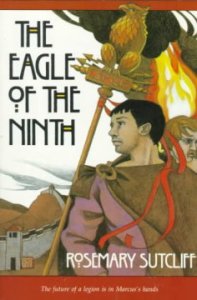
Rosemary Sutcliff’s classic children’s novel The Eagle of the Ninth (now a film The Eagle) was given a fantastic review on the historical novels website. Margaret Donsbach wrote:
The Eagle of the Ninth is about a young Roman centurion posted in Roman Britain. Marcus Flavius Aquila is discharged from his legion after being badly injured in his first battle. Years ago, his father was lost when the Ninth Legion mysteriously disappeared in northern Britain. When this novel was first published in 1954, the Ninth Legion’s disappearance in Britain was believed to be fact. More recent evidence shows the legion was actually moved to the Rhine River after serving in Britain. Whether the legion’s disappearance is fact or fiction, though, makes little difference to a reader’s enjoyment of the novel.
Crippled, his military career gone forever, Marcus thinks his useful life is over. Still, he makes friends with a native Briton in spite of unpromising circumstances. He acquires a wolf. He attracts a girl. And he sets off on a dangerous adventure in quest of the golden eagle standard of his father’s legion. Without it, the disbanded legion can never regain its honor and be revived. Worse, in the hands of hostile British tribes the eagle could become the focus of a serious uprising …

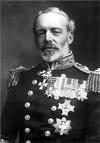 An early unpublished book was called Wild Sunrise. It was about the Roman invasion of Britain told from the British viewpoint. The hero was Cradoc, a name Rosemary used later in The Eagle of the Ninth and in Sun Horse, Moon Horse. (Her father, who I knew as Uncle George, had a naval hero called Admiral Sir Christopher Cradock, who went down with his flagship at the battle of Coronel in 1914). Wild Sunrise disappeared, which was as well, she said in her memoir Blue Remembered Hills (1983), ‘because so much of me was in it, naked and defenceless’


 ROSEMARY SUTCLIFF (1920-92)