 Thinking of both historical fiction and dogs put Katherine Langrish, author of fantasy novels for young adults, in mind of Rosemary Sutcliff. Katherine believes that dogs in books are a “Good Thing”. She also believes that Rosemary Sutcliff “must easily win the title of Britain’s most loved writer of junior historical fiction”.
… Rosemary Sutcliff, whose books I devoured as a child … loved dogs, and there is a noble dog in many of her books: Whitethroat in Warrior Scarlet, Argos in Brother Dusty Feet. But for me the most iconic is Dog in Dawn Wind, the young war-hound that the boy Owain finds by moonlight on the ruins of the battlefield:
…it was something alive in the cold echoing emptiness of a dead world. It stood with one paw raised, looking at him, and Owain called, hoarsely, with stiff lips and aching throat: ‘Dog! Hai! Dog!’ … [It] came, slowly and uncertainly… once it stopped altogether; then it finished at the run and next instant was trembling against his legs. He was a young dog; the beautiful creamy hair of his breast-patch was stained and draggled, and his muzzle bloody in the moonlight… ‘Dog, aiee, dog, we are alone then. There’s no one else. We will go together, you and I.’
The brilliance of the writing is to show us, in the lonely and innocent terror of the dog and what he has been made to do, the full dreadfulness of war.
This is used with Katherine’s permission (thank you!). She wonders also in an email to me if “perhaps Rosemary wrote about dogs as a way of owning them …”. Actually, Rosemary always owned dogs.
(Original post in March, 2010 First Revision 14 Feb 2012. List below added 10 March 2014))
- Brother Dusty-Feet: Hugh runs away from home to protect Argos.
- The Eagle of the Ninth: Cub is Esca’s tame wolf cub.
- The Silver Branch: Curoi’s hound is called Cullen.
- Outcast: Canog is a mistreated mongrel owned by Beric, whose childhood dog was Gelert.
- The Lantern Bearers: Artos’s dog Cabal.
- Warrior Scarlet: Whitethroat; Fand the Beautiful.
- The Bridge-Builders: Math, a Hibernian wolfhound.
- Knight’s Fee: Joyeuse.
- Dawn Wind: Dog, a survivor of Owain’s Last Stand.
- Blood Feud: Brindle is a cattle dog.
- Bonnie Dundee: Caspa.
- The Shining Company: Gelert.
- Sword Song: Bjarni murders a man for kicking Astrid, and Hugin follows him home from Dublin.

 I once tried unsuccessfully to entice the wonderful theatre director Emma Rice, of the equally wonderful Kneehigh Theatre, to become interested in transforming some Rosemary Sutcliff stories into theatre stories. No matter: last night Emma presented a fascinating essay on radio in which, in the words of BBC, she explored “the role of the director as storyteller” and “elaborates on the undertaking that transforms a text into a fully-fledged production”. Worth a listen by anyone as fascinated by and good at story-telling as she – and Rosemary Sutcliff were.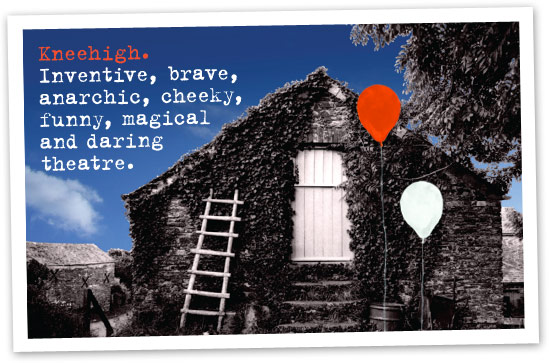
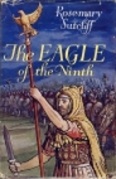
 ROSEMARY SUTCLIFF (1920-92)