Rosemary Sutcliff’s historical novel for children The Lantern Bearers won The Carnegie Medal in 1959

Cover of Japanese Edition of The Lantern Bearers

Rosemary Sutcliff won the Library Association Carnegie Medal in 1959 for her historical novel for children (“aged 8 to 88” in her view) The Lantern Bearers. The Medal is awarded every year in the UK to the writer of an outstanding book for children. First awarded to Arthur Ransome for Pigeon Post, the medal is now awarded by CILIP: The Chartered Institute of Library and Information Professionals. Both the Carnegie Medal and its sister award, the Kate Greenaway Medal are awarded annually. The 2012 shortlist was recently announced, and the winners will be named on Thursday 14th June.

The Library Association started the prize in 1936, in memory of the Scottish-born philanthropist Andrew Carnegie (1835-1919), a self-made industrialist who made his fortune in steel in the USA. The winner now receives a golden medal and some £500 worth of books to donate to a library of their choice. Rosemary Sutcliff also won or was nominated for many other awards in the UK and USA. (She won other awards in translation). She

Full list of Carnegie Medal winners here

Rosemary Sutcliff’s Roman Britain novels are historical fiction at its best, a seamless blend of fiction with history

Rosemary Sutcliff’s Roman Britain series is historical fiction at its best – excellent historical details, interesting characters, compelling stories, and a seamless blend of fiction with history. Though ostensibly for young adults, these books are excellent for adults. Sutcliff successfully brings the struggle between Rome and the barbarians to life, covering the back-and-forth battle under changing circumstances and across the centuries. Through this, her concern with how her youthful main characters address the first difficult times of their lives links the books together. Their availability varies, but these novels are well worth the effort to track down. The strategic and tactical concerns of each successive defender of civilized Britain, as he struggles to hold back the dark, gives the series an epic sweep that makes the books hard to put down. Dive into any of these books for a first-rate historical recreation, with living, breathing characters who will leave you as passionately wedded to the defense of Britain as they are.

Source: Rosemary Sutcliff | Roman Britain historical novels | The Green Man Review

Rain with the odd streak of sleet (Diary, 9/4/88)

April 9th Saturday. Rain with the odd streak of sleet in it this morning, turning brighter this afternoon. The dogs very pleased to be allowed into the garden after tea.

© Anthony Lawton 2012

Spanish translations of Rosemary Sutcliff historical novels

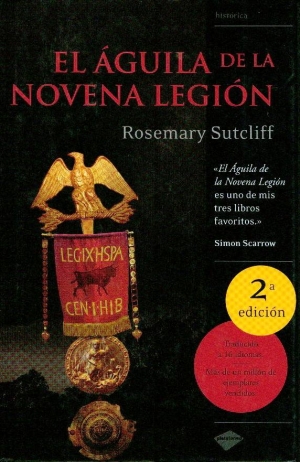
“La trilogía sigue el hilo conductor de los miembros de una misma familia de soldados romanos en Britania, pero, lógicamente, en distintas épocas, siglos II, III y IV d. C., por lo que en sí están concebidas como novelas completamente independents.” A Spanish language post points to Rosemary Sutcliff’s novels published in Spanish, with striking covers, El Aguila de la Novena Legion (The Eagle of the Ninth), El Usapardor del Imperio (The Silver Branch) and Los Guardianes de la Luz (The Lantern Bearers).

Aguila de la Novena Legion coverEl Usurpador del Imperio by Rosemary Sutcliff

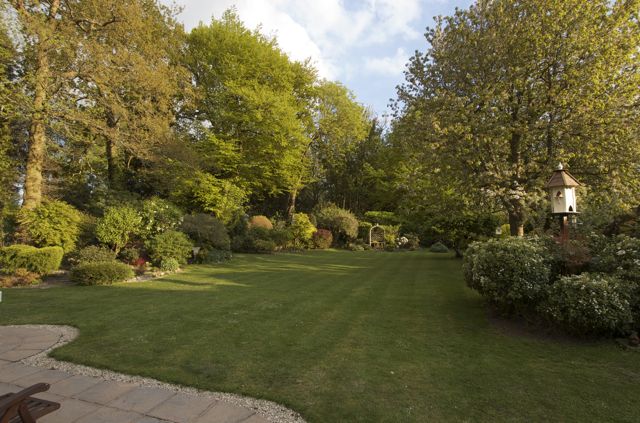
Rosemary Sutcliff’s garden and dovecote

Rosemary Sutcliff’s diary has many references to her carefully-tended garden. Neighbours visit for tea, fans and other writers come to talk and be photographed with her, and housekeepers come and go. Last year photographer Stephen Walby wrote to this blog with a photo of the garden, which stretches out behind the room that was her study where she would work all day, and the sitting room with french windows where she spent the evenings.

We live in Rosemary’s old house in the lovely Sussex village of Walberton. Rosemary lived here until she died in 1992. She is very fondly remembered here, having been an active member of village life. Our next door neighbours daughter remembers coming to the house to help out and many other villagers have stories to tell, we have heard how Rosemary would welcome groups of children from the village school for talks.  

The cover photograph for Blue Remembered Hills was taken in the garden, last year we replaced the dovecote in her memory. The property includes a flint cottage which I think was once a barn/pigsty. In Rosemary’s day her housekeeper lived here.

In fact, as I noted at the time ” … her handyman-driver lived in the flint cottage … The housekeepers always lived in the house …  so there was someone around if Rosemary (who was severely disabled) needed help.”

Rosemary Sutcliff's garden in 2011 (She died in 1992)