 The Lantern Bearers by historical novelist and children’s writer Rosemary Sutcliff, first published in 1959, won the prestigious Carnegie Medal that year. An American reviewer wrote some twenty years later …
I discovered Rosemary Sutcliff in my early teens, and she quickly became one of my favorite authors. I can still vividly recapture the magic of reading her books. It was a real pleasure to return to The Lantern Bearers, which I first read when I was about thirteen, and find the magic still intact. … The Lantern Bearers is a wonderful book. Sutcliff possesses a unique gift for character and description, evoking a sense of place and person so intense that the reader can almost see her characters and the world in which they move. She has a matchless ability to establish historical context without a surfeit of the “let’s learn a history lesson now” exposition that mars many historical novels for young people. Her books are never less than meticulously researched, but her recreation of the past is so effortless that one has no sense of academic exercise, but rather of a world as close and immediate as everyday.
… The Arthurian theme was one of Sutcliff’s favorites: she produced several young adult books on the subject, as well as a beautiful adult novel, Sword at Sunset, to my mind one of the best ever written in this genre. But the Sutcliff’s Arthur is rooted as much in history as in myth–not just the tragic king of Le Morte d’Arthur or the heroic/magical figure of traditional Arthurian fantasy, but a man who might actually have existed, heir both to the memory of Rome and to the last great flowering of Celtic power in Britain.
… her enduring popularity … is richly merited: she is, quite simply, one of the best.
Copyright © 1997 Victoria Strauss
(First posted, April 29th, 2009)

 Slightly Foxed is, in their own words, “a rather unusual quarterly book review”, as I posted last year. It professes to be “unaffected by the winds of fashion and the hype of the big publishers” as it introduces readers to “some of the thousands of good books that long ago disappeared from the review pages and often from bookshop shelve.” “Companionable and unstuffy”, its contributors – some well-known, others not – all write “personally and entertainingly about the books they choose”. It appeals to me that it is “not so much a review magazine as a magazine of enthusiasms – some of them quite quirky”.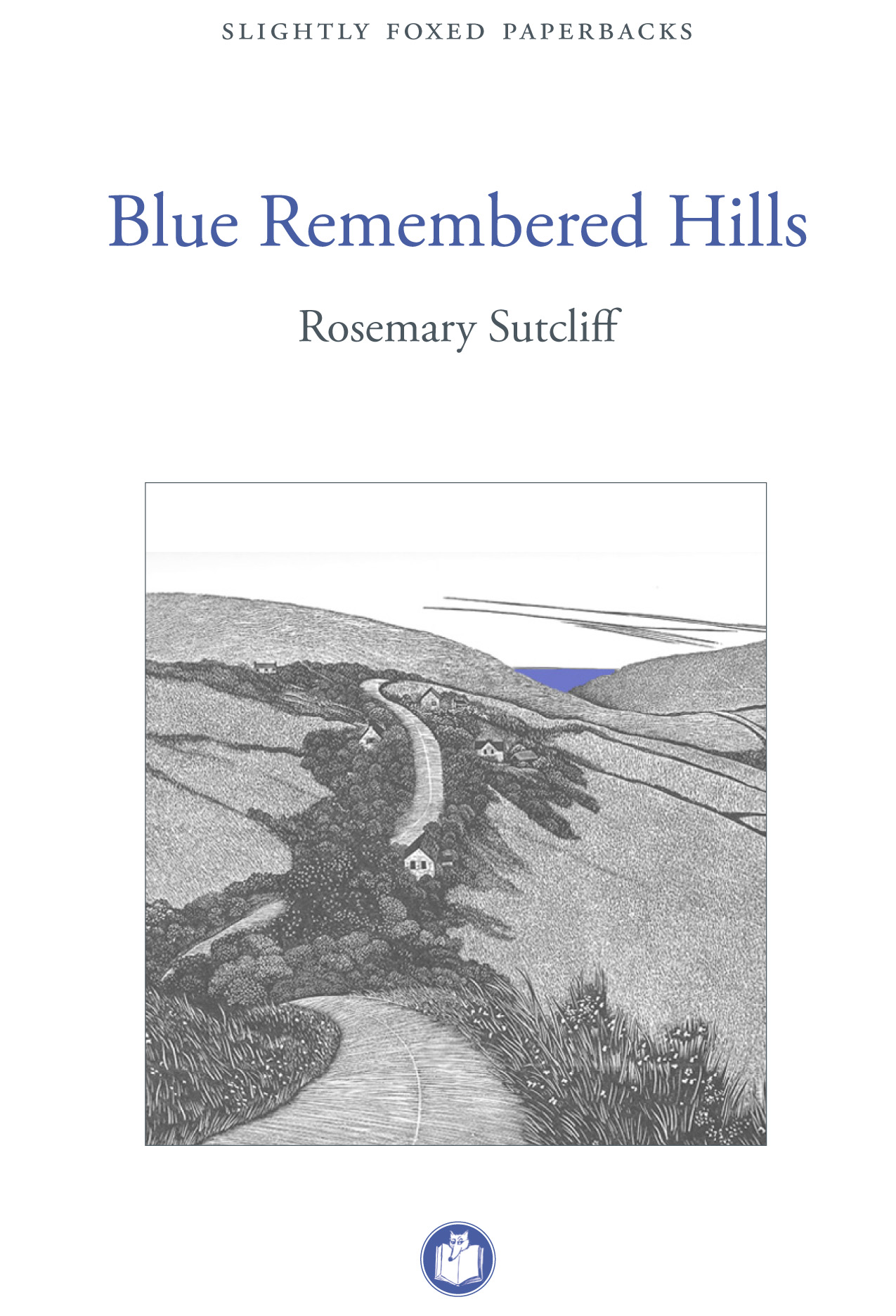


 ROSEMARY SUTCLIFF (1920-92)